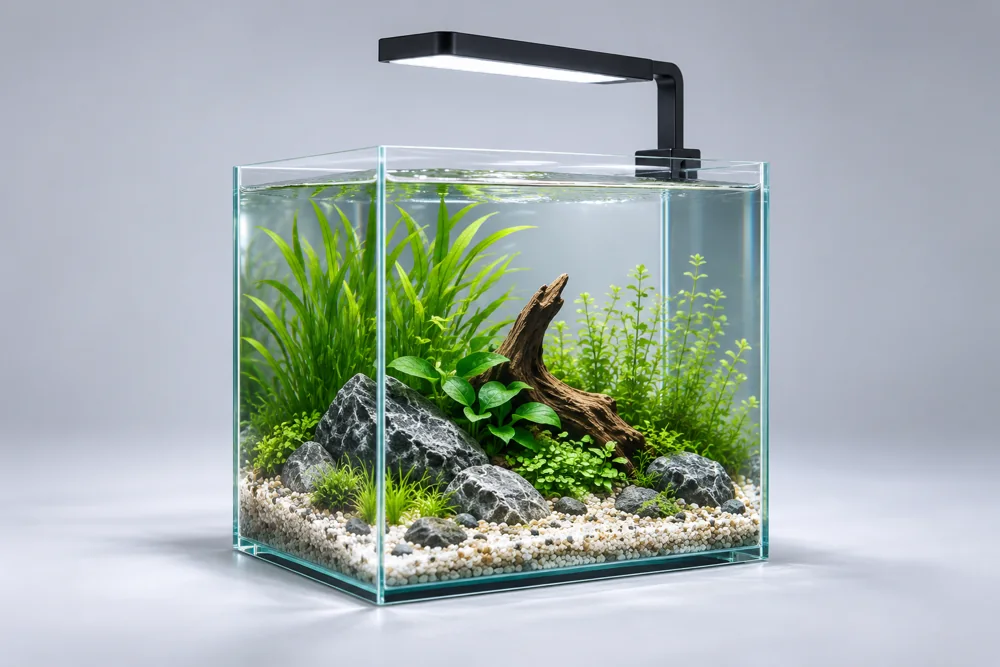
 KompakIlustrasi
Cube 30
27 L*30 × 30 × 30 cm
Komposisi sederhana untuk menikmati detail tanaman dan hardscape dari dekat.
Temukan ikan hias dan akuarium untuk rumah Anda. Pelajari cara merawat dunia kecil di dalamnya.
Dunia kecil yang layak dirawat dengan baik.Sejenak lebih dekat
dengan alam.
Dari lanskap meja yang ringkas hingga akuarium yang menjadi pusat ruangan.
Lihat semua akuariumKompakIlustrasi30 × 30 × 30 cm
Komposisi sederhana untuk menikmati detail tanaman dan hardscape dari dekat.
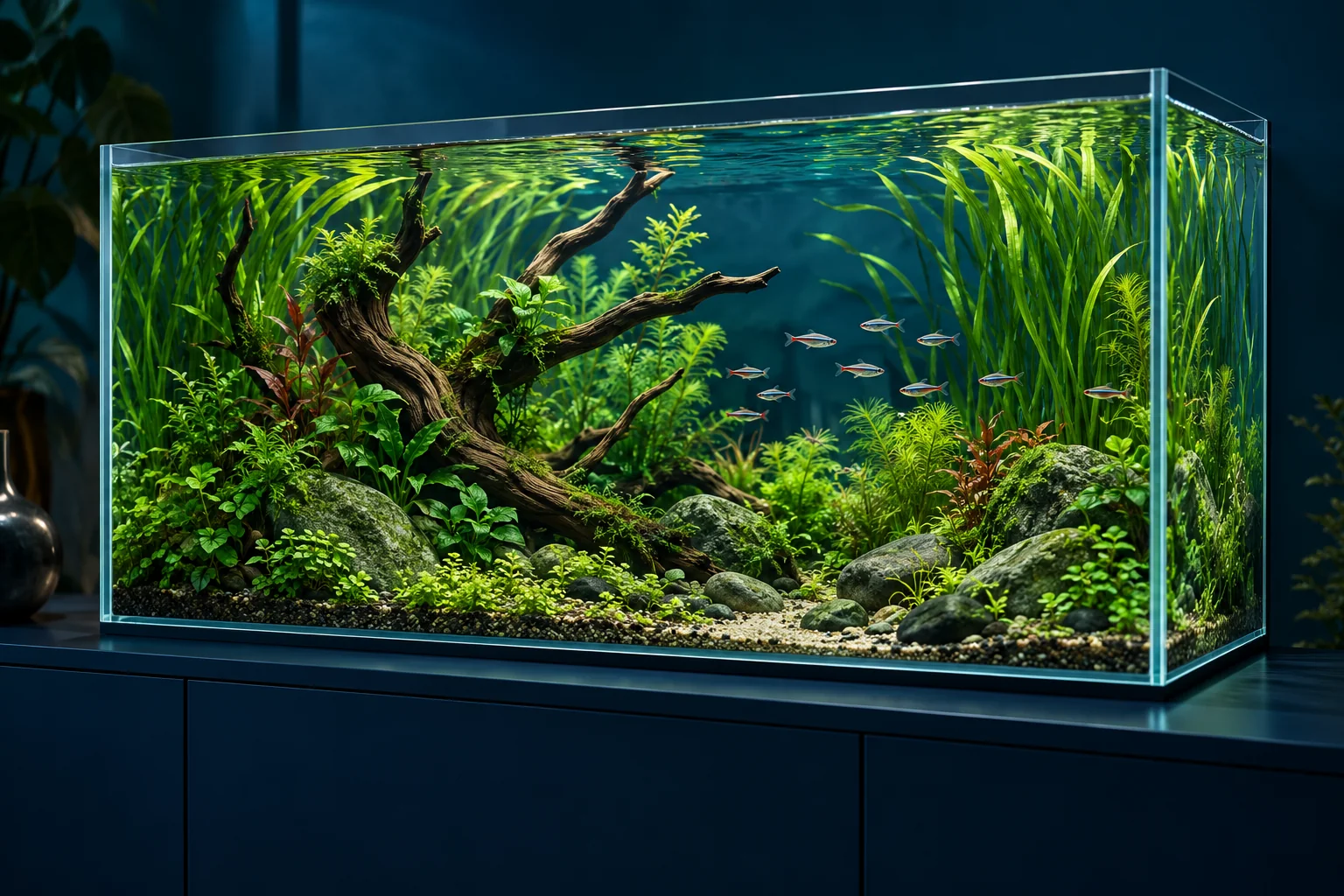
AquascapeIlustrasi60 × 36 × 36 cm
Proporsi memanjang untuk bermain dengan tanaman, kayu, dan ruang renang.
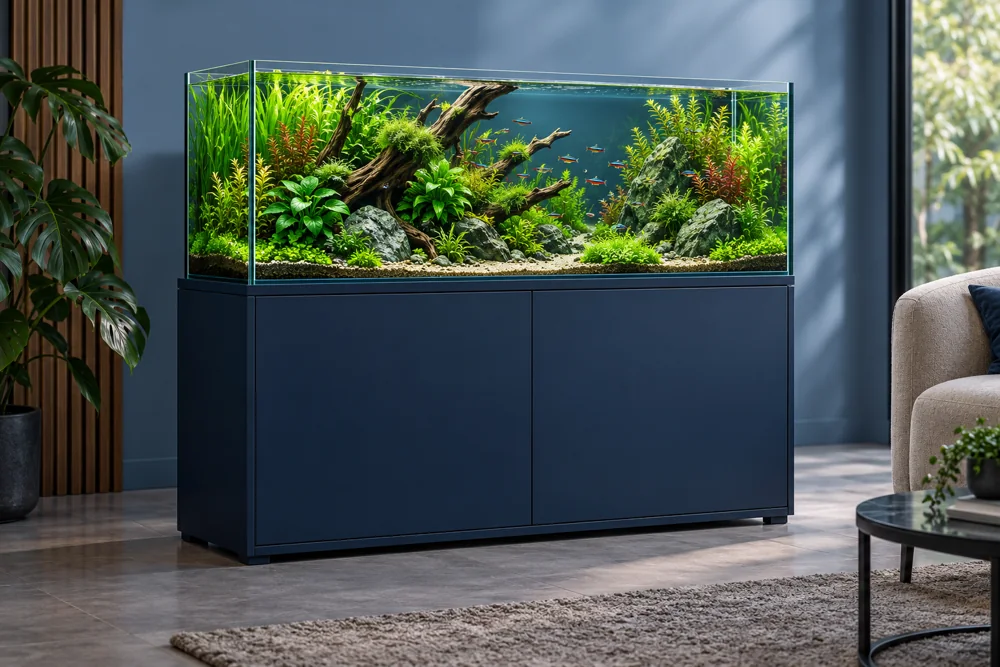 DisplayIlustrasi
90 × 45 × 45 cm
Bidang pandang lebih luas untuk menghadirkan lanskap bawah air di rumah.
Gambar merupakan ilustrasi penataan. *Volume geometris; volume air aktual lebih rendah. Konfirmasi ukuran dan kelengkapan sebelum pemesanan.
Guppy, neon tetra, dan cupang. Mulai dari kebutuhan spesies sebelum memilih penghuni akuarium.
Jelajahi ikan hias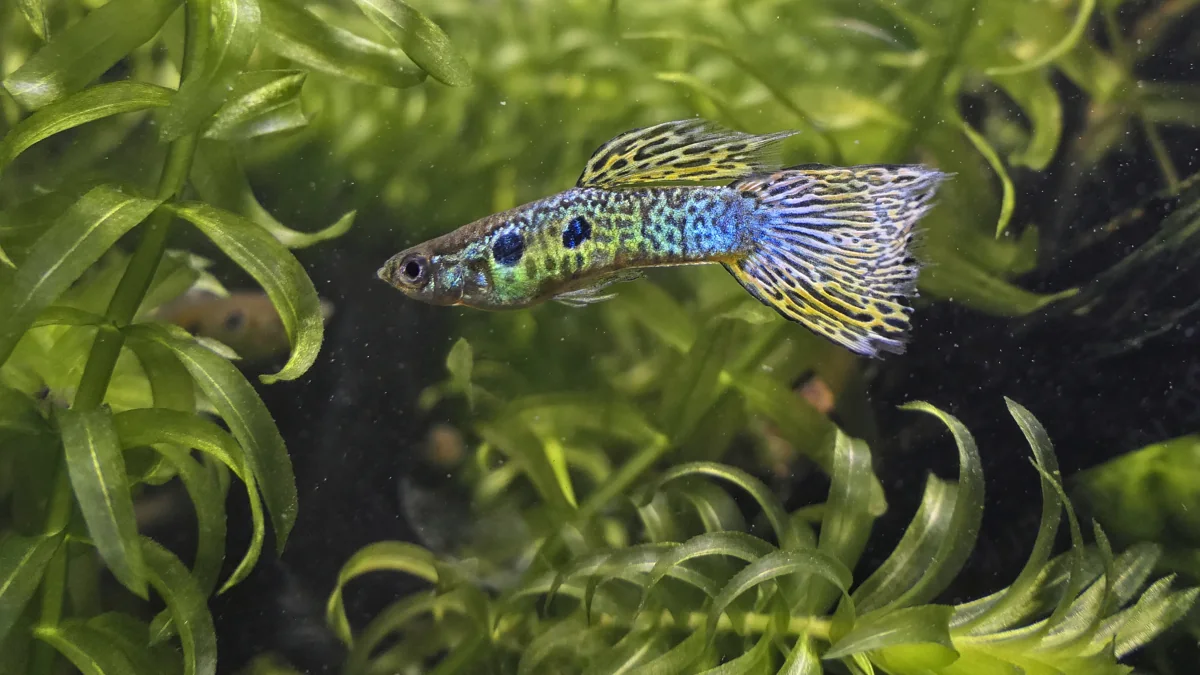 KomunitasFoto referensi
Poecilia reticulata
Sirip penuh warna dengan gerak lincah. Rencanakan populasi jika memelihara jantan dan betina bersama.
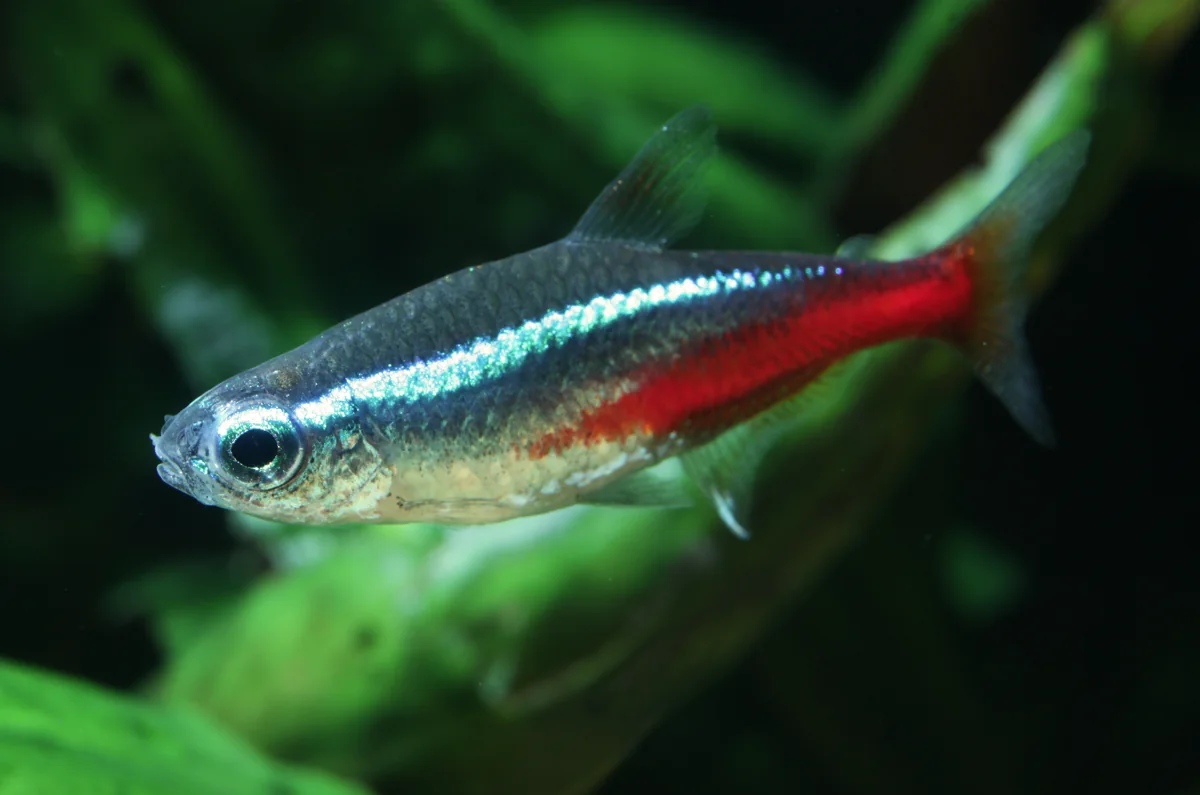 BerkelompokFoto referensi
Paracheirodon innesi
Garis biru dan merah yang khas. Nikmati perilaku alaminya dalam kelompok dengan kondisi air yang sesuai.
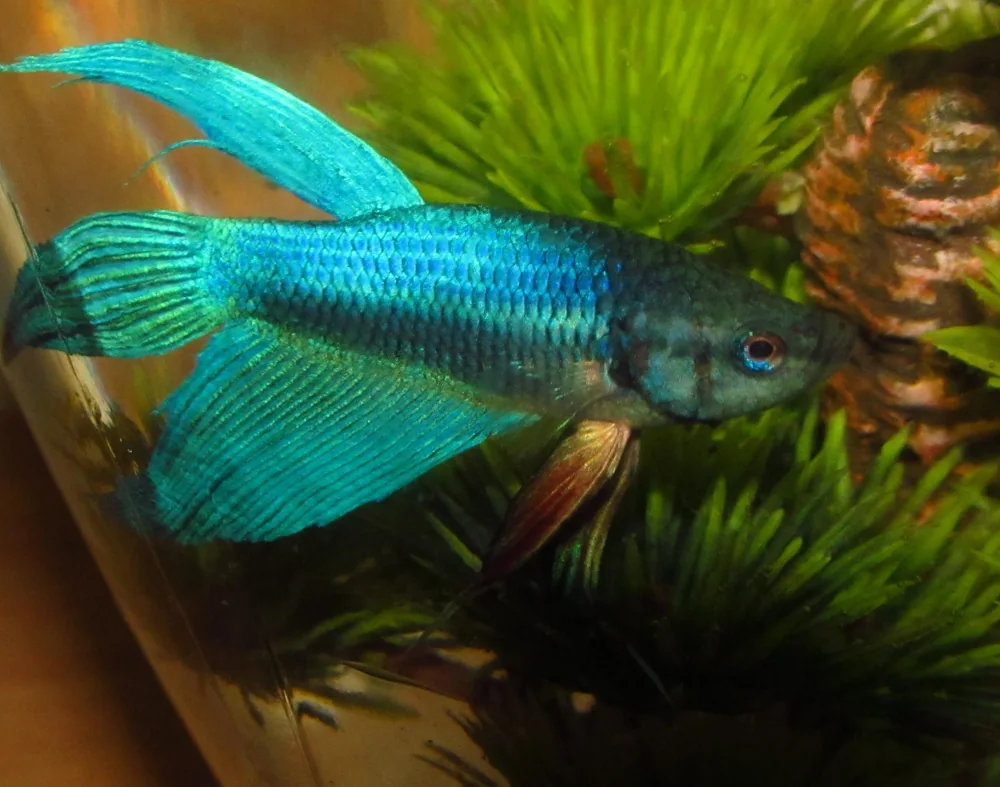 SoliterFoto referensi
Betta splendens
Karakter kuat dan sirip yang memikat. Cupang jantan memerlukan pengaturan ruang yang mempertimbangkan sifat teritorialnya.
Foto referensi spesies. Warna, ukuran, harga, stok, dan area pengiriman dikonfirmasi sebelum pemesanan.
Kami mempertemukan pengetahuan tentang perawatan dengan pilihan ikan hias dan akuarium untuk rumah Anda. Karena sebuah akuarium yang indah dimulai dari memahami kehidupan di dalamnya.
Pelajari kebutuhan ikan, rencanakan ruangnya, lalu bangun rutinitas perawatan yang bisa Anda jalani.
Panduan akuarium pertamaKenali ikanWarna boleh menarik perhatian. Kebutuhan ikanlah yang sebaiknya menentukan keputusan Anda.
Baca panduanMulai dari dasarAkuarium yang jernih belum tentu siap dihuni. Bangun lingkungan yang stabil sebelum membawa ikan pulang.
Baca panduanRawat dengan baikPerawatan yang konsisten dimulai dari mengamati ikan, memeriksa air, dan memahami perubahan kecil.
Baca panduanBeberapa hal yang sering ditanyakan saat mulai memelihara ikan.
Mulai dari kebutuhan spesies dan ukuran dewasa ikan, lalu sesuaikan dengan tempat serta kemampuan perawatan. Ruang berenang, jumlah penghuni, dan filtrasi sama pentingnya dengan volume. Gunakan kalkulator volume sebagai perkiraan awal.
Belum tentu. Sistem biologis perlu matang melalui cycling, dan kesiapan perlu dinilai dari pengujian air. Baca panduan akuarium pertama sebelum membawa ikan pulang.
Gambar memperlihatkan inspirasi penataan. Isi paket, perlengkapan, kabinet, harga, dan ketersediaan perlu dikonfirmasi untuk setiap pesanan.
Lihat koleksi, pelajari ukuran acuannya, lalu buat ringkasan kebutuhan di halaman rencanakan akuarium. Catatan itu membantu saat mendiskusikan spesifikasi dan penawaran.